Posts

Project Negotiations
Image
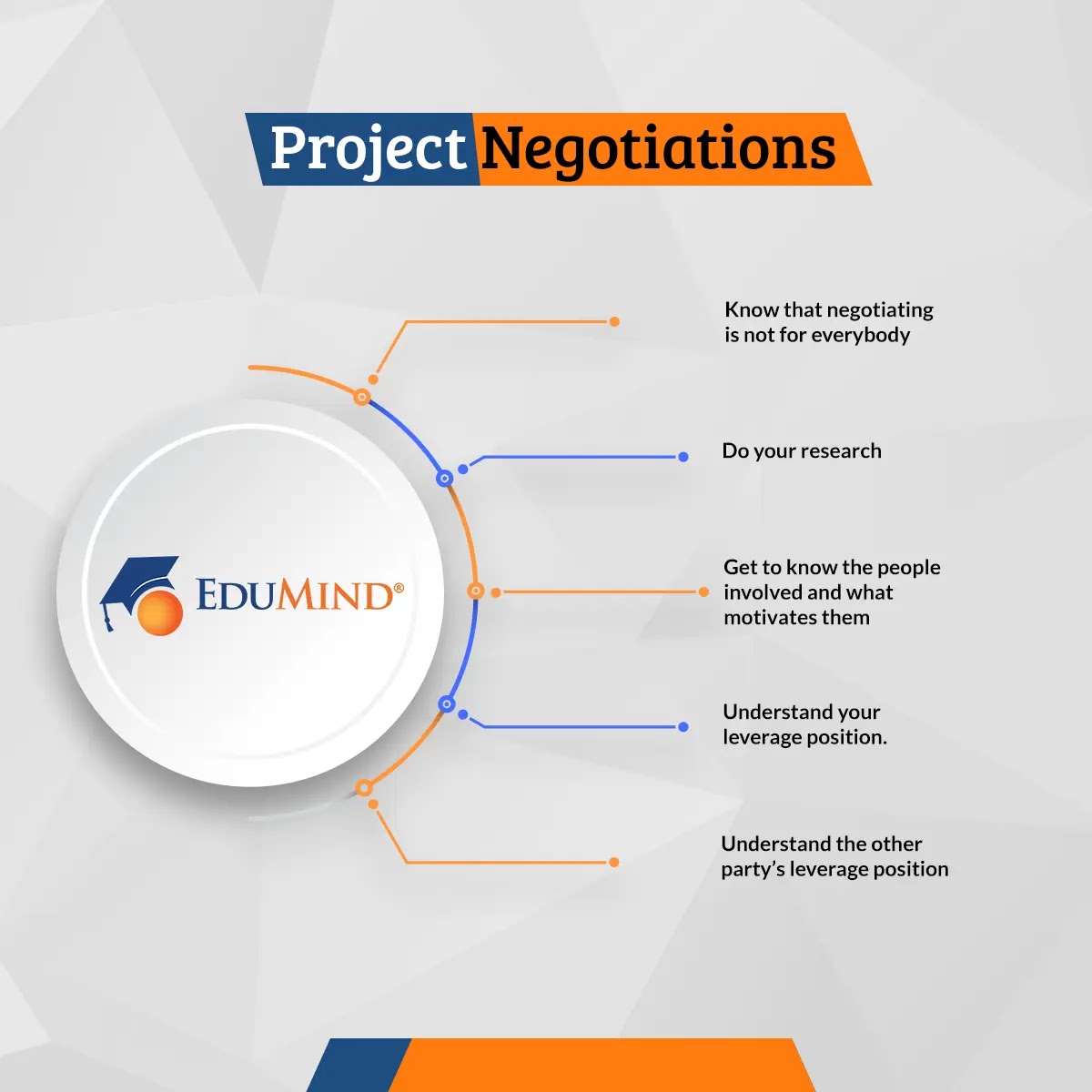
If you are like me, your college experience included little (if any) preparation for the wide range of communication types that are common in the practice of architecture. Among the most challenging types of communication are negotiations. As an architect, you are negotiating nearly every day with clients, contractors, consultants, and jurisdictions (to name just a few). Reaching a mutually agreeable position with someone through the course of an architectural project can be difficult, but below are some tips to help you navigate the process. Table of Contents 1. Know that negotiating is not for everybody 2. Do your research 3. Get to know the people involved and what motivates them 4. Understand your leverage position 5. Understand the other party's leverage position Know that negotiating is not for everybody: Reflect on your own communications style and preferences. Try to measur...


Why Smart People Fail the ARE?

Image
In my opinion, passing or failing the Architectural Registration Exam (ARE) can happen to just about anybody. While the actual exam questions are intended to measure a candidate's achievement through education and experience, how a "smart" a person performs on the exam is a completely different matter. To me, intelligence (being "smart") is very broad and reflects more on a person's ability to navigate the context of their environment through rational thoughts and actions. The bottom line here is that yes, it is surely possible that smart people fail the ARE, and there could be several things tripping them up. In this blog, I will offer my perspective. First, the ARE is part of a process that (when passed) leads to architectural licensure. Further, licensure itself has often been described as the demonstrating the minimum competency required to practice architecture. So, the content of the exam is concentrated on touching the aspects of the practice of ...

What Architectural Firms Look For?

Image
Over the years, I have been asked what characteristics architectural firms look for in new hires. In my experience, the answer to this question centers around three specific areas: 1. Fit with the firm brand (or culture). This one is very important. Firms have a distinctive (or unique) culture and identity that reflects who they are and how they go about the practice of architecture. Many variables factor into this including the type of work they do, the clients they serve, where the firm is located, the way the firm is structured, and how the firm operates. As an example, if engagement and collaboration are important parts of a firm's culture, the people that they look to hire will be evaluated through this lens. Firms want to find new hires that will fit their existing culture, and help it grow positively. Sometimes this may mean that individual talent may not always be the top new hire evaluation criterion. Instead, how a new hire candidate can demonstrate an align...

Studying for the ARE

Image
Studying for the ARE can be a bit daunting to consider. With the practice of architecture being so broad, where do you begin? In this blog, I offer some advice that has helped me over the years. While I took the ARE back in 1982, many of the things I did back then, and continue to do today for annual license renewals (in multiple States) and continuing education have been effective. My first bit of advice is to look over the entire ARE in a general way. Learn about the individual sections and what each is comprised of. From this, establish an outline "schedule" for yourself. Identify a month to target to set each section of the exam and create a study plan for each section. Give yourself enough time to assemble the appropriate study materials, time to study, and enough time to test yourself with some quizzes. Treat this like any living project schedule and update it as things happen but post it somewhere where you see it to remind you of your goals. Next, do a deep ...

Who Is the Client?

Image
Knowing who your client might seem like an easy question to answer. However, a lot of the time, the "client" is a group of people with varying roles and differing amounts of input and authority. In my experience, often the problems encountered on a project (i.e., general communications conflicts, non-payment, and even termination) can be linked to mis-understanding the make-up of the client, and perhaps looking for too much from the wrong person on the client side related to approvals and decisions. As an example, you might think you have a design decision or budget approval from the client, but you later learn that someone else on the client side (with more authority) has weighed-in and reversed the decision or nullified the approval. Meanwhile, you may have progressed with the project and now find yourself in a spot where you have completed work that will need to be revised. Spending the time to research and diagram the full organizational structure of the client team...

Tell My Story

Image
Everyone has their own timeline for taking the AREs and, let me tell you, mine was LONG! When I started logging hours, NCARB's program was IDP (Intern Development Program) - the precursor to the current AXP (Architectural Experience Program). With AXP, you can start earning hours quickly but that was not the case for IDP. For the later rendition of IDP, one had to be well into their accredited program to start counting hours towards sitting for the exams.  As an eager, budding architecture professional, I started working for a large, international firm right after my first year of architecture school. I had that lined up before I even started architecture school! I worked for this firm throughout my undergraduate years during summer and winter breaks. In my final year of architecture school, disaster struck the nation - 9/11. I attended school in central New York with family in New York City, so it hit particularly close to home. It also hit the building industry and findin...

Preferred Exam Division Order

Image
There are six exam divisions in the current format of the ARE (Architect Registration Exam): Practice Management, Project Management, Programming and Analysis, Project Planning and Design, Project Development and Documentation, and Construction and Evaluation.  There is a logical sequence in this order as it follows the path from getting licensed to developing a professional practice to planning and developing a building commission for construction and then, subsequently, completing and closing out the building project.  The exam divisions are always presented in this specific order in NCARB's material and timeline tracking progress for completion. However, when taking the ARE, it is not necessary to take the division exams in the order in which they are listed. In fact, the division exams can be taken in any order. This sparks the question: what is the best order for taking all divisions of the ARE exam?  This is a major topic that garners a lot of opinion and attenti...