Posts

Applications of 3D Animation in the Real World

Image
When people hear the phrase 3D animation, their most common association is with entertainment-movies like Toy Story and Frozen come to mind. But movies and television are only one piece of the pie that is 3D animation. As the popularity of these mediums increase, so do their applications outside of the entertainment industry. The wide range of 3D animation applications in the real world has created a vast new job market for animators. One of the most important ways 3D animation can be used is in the educational field. Students often learn better when they receive dynamic visuals in combination with more common methods of teaching like lecturing. Would you rather look at a still, 2D image of DNA in a textbook or interact with a 3D animation that can be rotated and broken apart into its diagramed respective parts? Studies show that 3D learning tools result in increased rates of interest, keeping students engaged and amplifying their excitement to learn new concepts. Another application ...

Can I Get Hired as an Animator without a Degree in Animation?

Image
Employers often require or highly recommend their employees have a job-related degree, and some potential employers will not even look at applications without this requirement. The field of animation is different, however. While a degree in animation or art will certainly not hurt your chances with an employer, most animation studios don't care if you have a degree, and they don't care what school, if any, you attended. They are more concerned with an employee's established success and possible potential. All you need to be hired as a 3D animator is experience and motivation. Many learning resources are available online for animators, starting with introductory classes for amateurs and working all the way up to specialized classes for experts. If you have little to no experience with animation, we suggest you begin with an introductory course focusing on the subjects like timing and spacing. Once you become familiar with the basics, you can increase the content difficulty b...

ARE Section: Construction and Evaluation Part 2

Image
In part two of this blog series, I will discuss site visits during construction. It is important to clarify that when an architect is onsite for a routine visit, they are there to observe and not inspect. Over the years, this point has needed clarification because generally, an architect's scope and responsibilities while onsite during construction are to observe (a term intended to be more generalized and leave room to not see or make note of a great amount of detail). Another reason for describing site visits as observations relates to the frequency and duration of each visit. Normally, an architect visits a site a couple times per month. This frequency lends itself to the act of observing rather than inspecting (a term more associated with a great amount of detail and time spent onsite). So, what is normally accomplished while performing a site observation? When does an architect conduct an onsite observation? Regarding when to visit a site under construction, I coordinate with ...

ARE 5.0 Section: Construction and Evaluation Part 1

Image
In my experience, one of the toughest sections to prepare for on the ARE exam is the Construction and Evaluation section. This is because it's a topic that is normally only lightly addressed in college architectural programs, and it is a topic best learned via experience. With this in mind, I have written a series of three blog articles to share my experiences in practice and address specific aspects of Construction and Evaluation phase services provided by architects. I'll begin with the General Conditions of a contract between an owner and a contractor. This is a document that, for the most part, spells out responsibilities of both the contractor and the owner as they relate to that agreement. The document also normally shares some of what to expect from the architect during construction. It is important to realize that the General Conditions document referred to here is not part of the Owner/Architect Agreement, so while it may explain (in part) what to expect from the a...

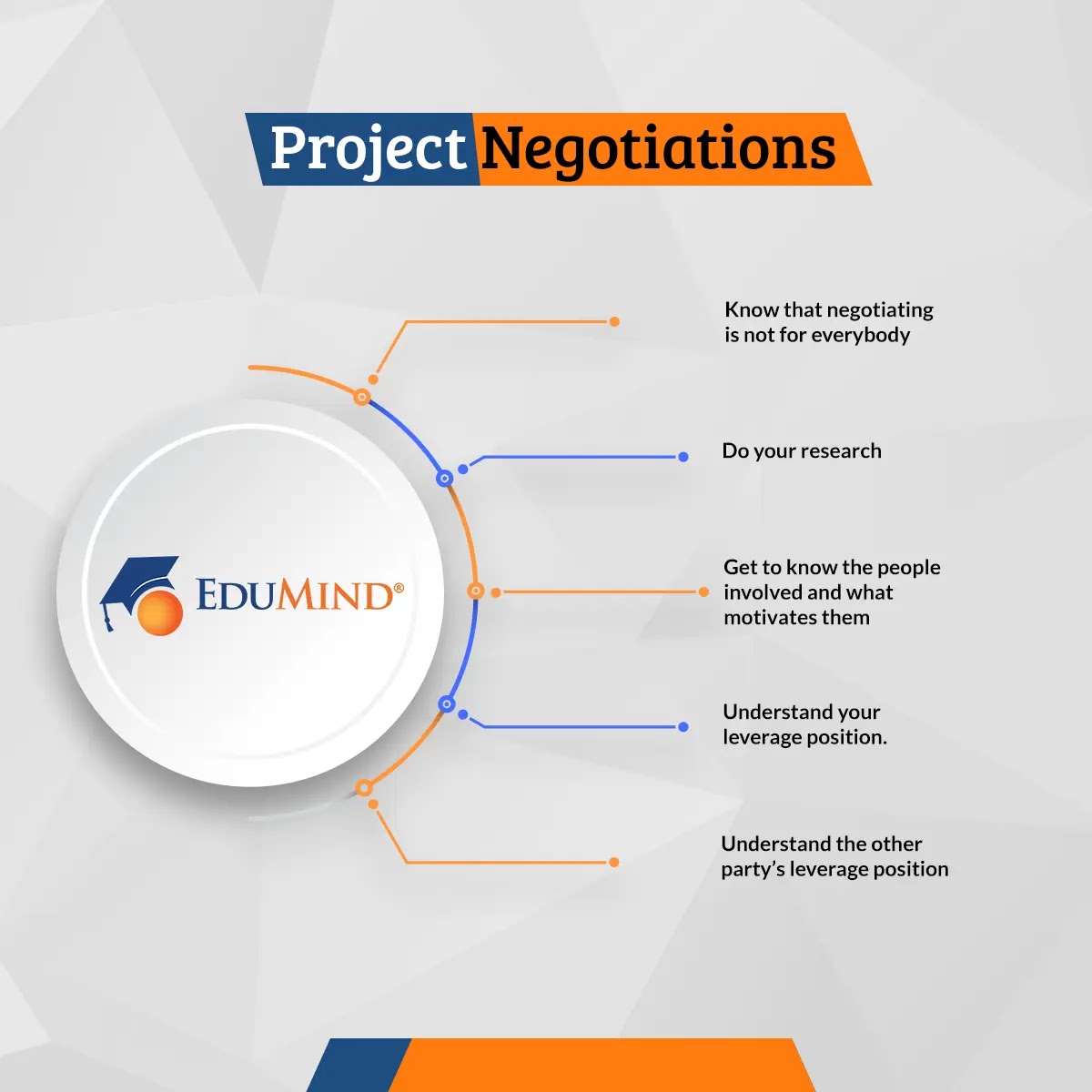
Project Negotiations

Image
If you are like me, your college experience included little (if any) preparation for the wide range of communication types that are common in the practice of architecture. Among the most challenging types of communication are negotiations. As an architect, you are negotiating nearly every day with clients, contractors, consultants, and jurisdictions (to name just a few). Reaching a mutually agreeable position with someone through the course of an architectural project can be difficult, but below are some tips to help you navigate the process. Table of Contents 1. Know that negotiating is not for everybody 2. Do your research 3. Get to know the people involved and what motivates them 4. Understand your leverage position 5. Understand the other party's leverage position Know that negotiating is not for everybody: Reflect on your own communications style and preferences. Try to measur...

Why Smart People Fail the ARE?

Image
In my opinion, passing or failing the Architectural Registration Exam (ARE) can happen to just about anybody. While the actual exam questions are intended to measure a candidate's achievement through education and experience, how a "smart" a person performs on the exam is a completely different matter. To me, intelligence (being "smart") is very broad and reflects more on a person's ability to navigate the context of their environment through rational thoughts and actions. The bottom line here is that yes, it is surely possible that smart people fail the ARE, and there could be several things tripping them up. In this blog, I will offer my perspective. First, the ARE is part of a process that (when passed) leads to architectural licensure. Further, licensure itself has often been described as the demonstrating the minimum competency required to practice architecture. So, the content of the exam is concentrated on touching the aspects of the practice of ...

What Architectural Firms Look For?

Image
Over the years, I have been asked what characteristics architectural firms look for in new hires. In my experience, the answer to this question centers around three specific areas: 1. Fit with the firm brand (or culture). This one is very important. Firms have a distinctive (or unique) culture and identity that reflects who they are and how they go about the practice of architecture. Many variables factor into this including the type of work they do, the clients they serve, where the firm is located, the way the firm is structured, and how the firm operates. As an example, if engagement and collaboration are important parts of a firm's culture, the people that they look to hire will be evaluated through this lens. Firms want to find new hires that will fit their existing culture, and help it grow positively. Sometimes this may mean that individual talent may not always be the top new hire evaluation criterion. Instead, how a new hire candidate can demonstrate an align...